Инструкция для Clavia NORD Lead 2X
 1
 2
 3
 4
 5
 6
 7
 8
 9
 10
 11
 12
 13
 14
 15
 16
 17
 18
 19
 20
 21
 22
 23
 24
 25
 26
 27
 28
 29
 30
 31
 32
 33
 34
 35
 36
 37
 38
 39
 40
 41
 42
 43
 44
 45
 46
 47
 48
 49
 50
 51
 52
 53
 54
 55
 56
 57
 58
 59
 60
 61
 62
 63
 64
 65
 66
 67
 68
 69
 70
 71
 72
 73
 74
 75
 76
 77
 78
 79
 80
 81
 82
 83
 84
 85
 86
 87
 88
 89
 90
 91
 92
 93
 94
 95
 96
 97
 98
 99
 100
 101
 102
 103
 104
 105
 106
 107
 108
 109
 110
 111
 112
 113
 114
 115
 116
 117
 118
 119
NORD LEAD 2X V1.0x
11. Synthesis basics: The filter
Page 87
B
B
B
B
A
A
A
AN
N
N
ND
D
D
DP
P
P
PA
A
A
AS
S
S
SS
S
S
S
F
F
F
FIIIIL
L
L
LT
T
T
TE
E
E
ER
R
R
R
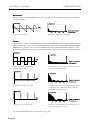
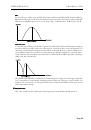
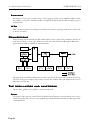
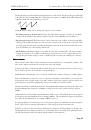
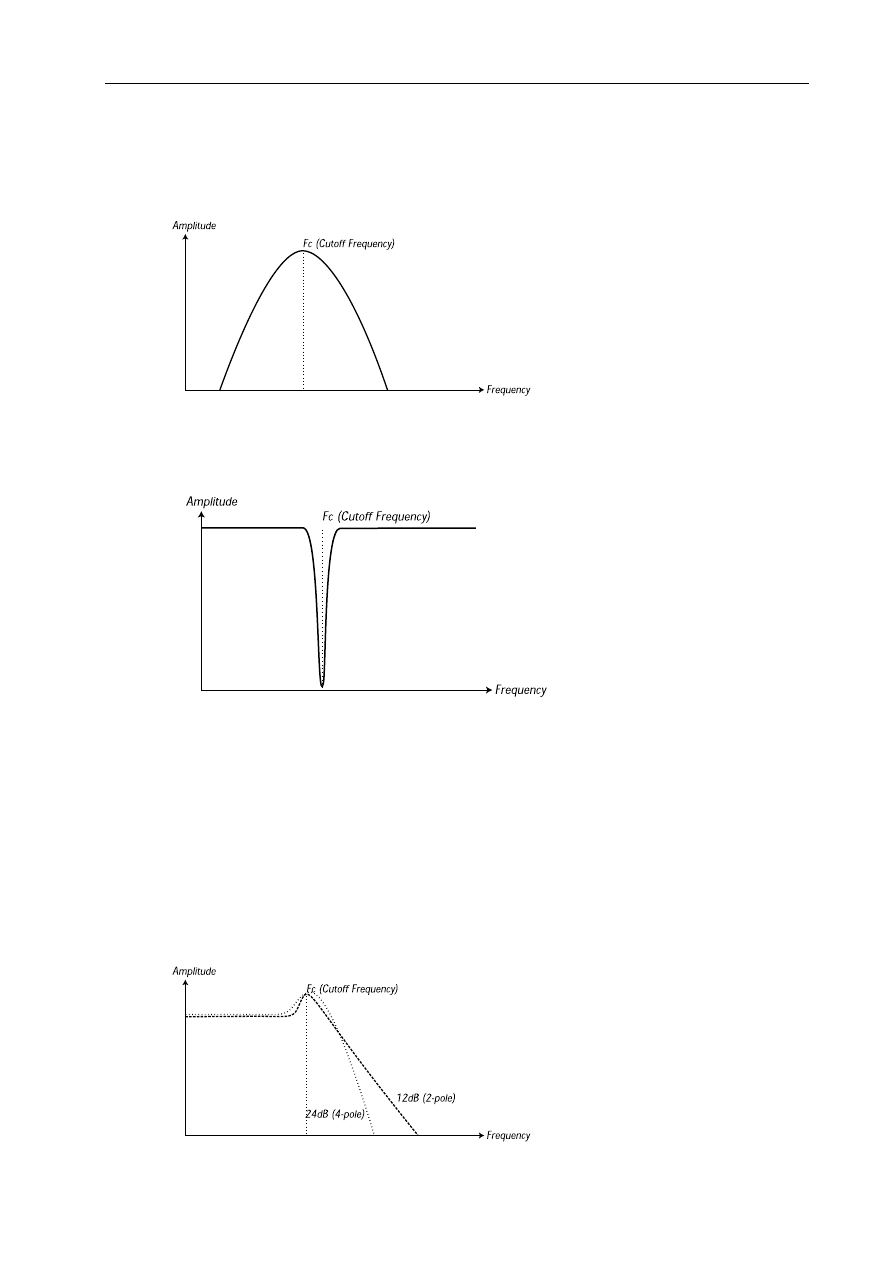
This let’s frequencies in a certain range of the spectrum (the band) pass through while dampening fre-
quencies both below and above this range. This accentuates the mid-range of a sound.
N
N
N
N
O
O
O
OT
T
T
TC
C
C
CH
H
H
H
F
F
F
FIIIIL
L
L
LT
T
T
TE
E
E
ER
R
R
R
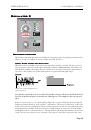
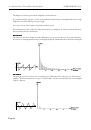
This filter type (also known as Band Reject) can be seen as the opposite of a band pass filter. It cuts off
frequencies in a “mid-range” band, letting the frequencies below and above through.
In the Nord Lead 2X the Notch filter is combined with a 12 dB Lowpass filter, for greater musical ver-
satility (see
).
R
R
R
R
O
O
O
OL
L
L
LL
L
L
L
----
O
O
O
OF
F
F
FF
F
F
F
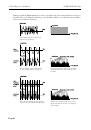
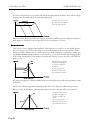
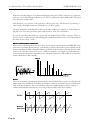
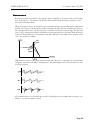
Filters of one and the same type (lowpass, highpass etc) can have different characteristics. One of the fac-
tors determining the exact filter curve is the
roll-off
, which is measured in
dB/Octave
(“decibels per oc-
tave”) or
poles
. The simplest possible filter has a roll-off of 6dB/octave, which is referred to as “1 pole”.
The next step up is 12dB (2 poles), 18db (3 poles) etc.
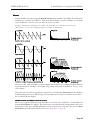
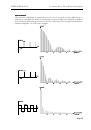
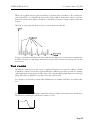
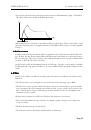
The most common synth filters are the 12dB and 24dB lowpass filters. The difference between the two
can be studied in the graph below. The 12dB filter let’s more of the high frequency pass through which
gives the sound a brighter and “buzzier” character than the 24dB filter does.
Оглавление инструкции
- 1. Introduction
- 2. Connections
- 3. Basic operation
- Demo play function
- Basic MIDI Settings for the Nord Rack 2X
- Selecting Programs
- Selecting Percussion Kits
- Using the Slots to switch Programs
- Layering
- Splitting the Keyboard
- Performances
- Monophonic and polyphonic operation
- Stereo/Mono
- Pitch Stick and Modulation Wheel
- Master Tune
- Using a sustain pedal
- Using a control (expression) pedal
- The “Panic” button
- 4. Editing Programs
- 5. Programming Velocity Sensitivity
- 6. Percussion Kits
- 7. Performances
- 8. Panel Reference
- 9. Shift functions
- Accessing the Shift functions
- Shift function list
- Tune (Master Tune)
- Out Mode
- Local
- Prog/Ctrl
- MIDI Channel
- Special
- Accessing the Special functions
- Function “1” – Synchronizing LFO 1 to MIDI Clock
- Function “2” – Synchronizing LFO2/Arpeggio to MIDI Clock
- Function “F” – External triggering of Filter envelope
- Function “A” – External triggering of Amplifier Envelope
- Function “S” – External Velocity Morph
- Aftertouch and Expression Pedal Settings
- System
- 10. MIDI
- 11. Synthesis basics
- 12. Factory presets
- 13. MIDI implementation
- Index