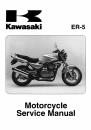
Инструкция для Kawasaki ER5 (2004)
 1
 2
 3
 4
 5
 6
 7
 8
 9
 10
 11
 12
 13
 14
 15
 16
 17
 18
 19
 20
 21
 22
 23
 24
 25
 26
 27
 28
 29
 30
 31
 32
 33
 34
 35
 36
 37
 38
 39
 40
 41
 42
 43
 44
 45
 46
 47
 48
 49
 50
 51
 52
 53
 54
 55
 56
 57
 58
 59
 60
 61
 62
 63
 64
 65
 66
 67
 68
 69
 70
 71
 72
 73
 74
 75
 76
 77
 78
 79
 80
 81
 82
 83
 84
 85
 86
 87
 88
 89
 90
 91
 92
 93
 94
 95
 96
 97
 98
 99
 100
 101
 102
 103
 104
 105
 106
 107
 108
 109
 110
 111
 112
 113
 114
 115
 116
 117
 118
 119
 120
 121
 122
 123
 124
 125
 126
 127
 128
 129
 130
 131
 132
 133
 134
 135
 136
 137
 138
 139
 140
 141
 142
 143
 144
 145
 146
 147
 148
 149
 150
 151
 152
 153
 154
 155
 156
 157
 158
 159
 160
 161
 162
 163
 164
 165
 166
 167
 168
 169
 170
 171
 172
 173
 174
 175
 176
 177
 178
 179
 180
 181
 182
 183
 184
 185
 186
 187
 188
 189
 190
 191
 192
 193
 194
 195
 196
 197
 198
 199
 200
 201
 202
 203
 204
 205
 206
 207
 208
 209
 210
 211
 212
 213
 214
 215
 216
 217
 218
 219
 220
 221
 222
 223
 224
 225
 226
 227
 228
 229
 230
 231
 232
 233
 234
 235
 236
 237
 238
 239
 240
 241
 242
 243
 244
 245
 246
 247
 248
 249
 250
 251
 252
 253
 254
 255
 256
 257
 258
 259
 260
 261
 262
 263
 264
 265
 266
 267
 268
 269
 270
 271
 272
 273
 274
 275
 276
 277
 278
 279
 280
 281
 282
 283
 284
 285
 286
 287
 288
 289
 290
 291
 292
 293
 294
 295
 296
 297
 298
 299
 300
 301
 302
 303
 304
 305
 306
 307
 308
 309
 310
 311
 312
 313
 314
 315
 316
 317
 318
 319
 320
 321
 322
 323
 324
 325
 326
 327
 328
 329
 330
 331
 332
 333
 334
9-10 WHEELS/TIRES
Tires
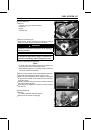
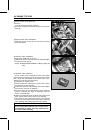
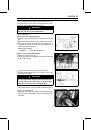
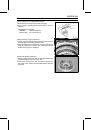
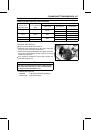
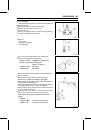
Air Pressure Inspection/Adjustment
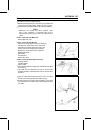
•
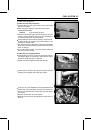
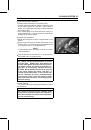
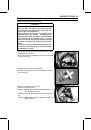
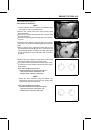
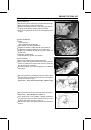
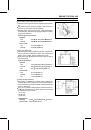
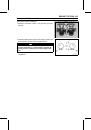
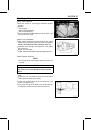
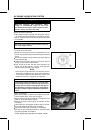
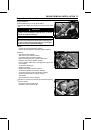
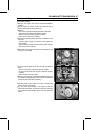
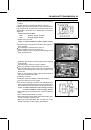
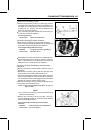
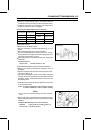
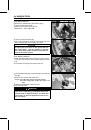
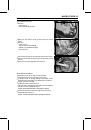
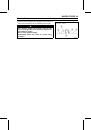
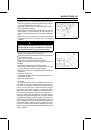
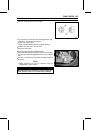
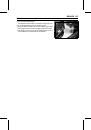
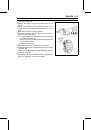
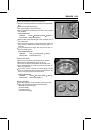
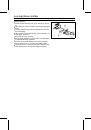
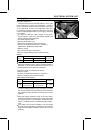
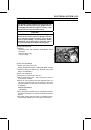
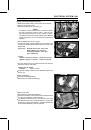
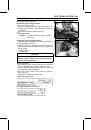
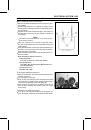
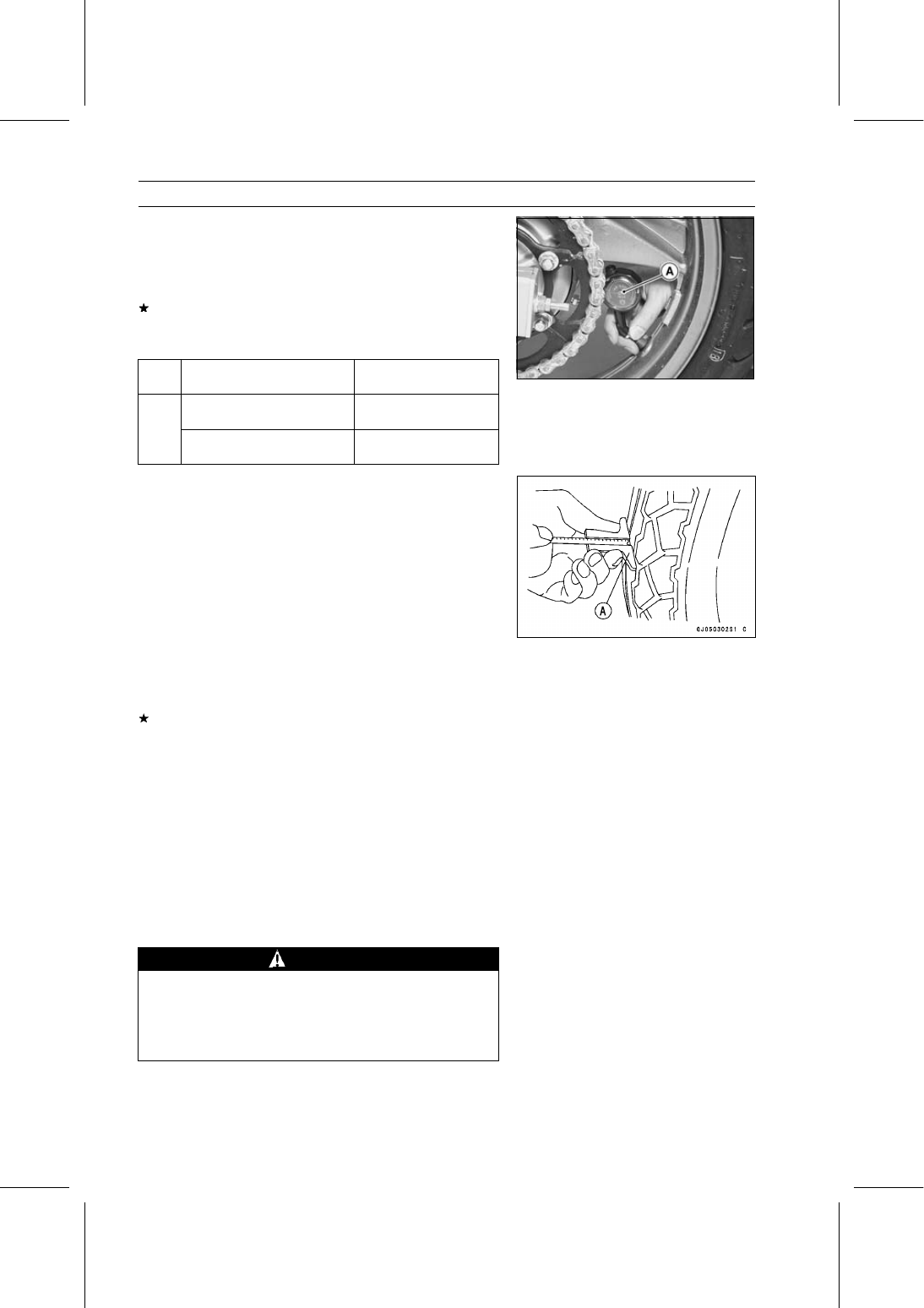
Measure the tire air pressure with an air pressure gauge
[A] when the tires are cold (that is, when the motorcycle
has not been ridden more than a mile during the past 3
hours).
Adjust the tire air pressure according to the specifications
if necessary.
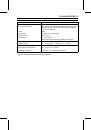
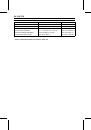
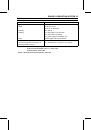
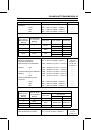
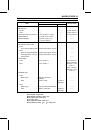
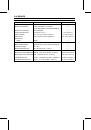
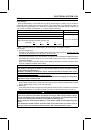
Air Pressure (when cold)
Front
up to 181 kg (400 lb) load
225 kPa (2.25 kgf/cm²,
32 psi)
up to 97.5 kg (215 lb) load
250 kPa (2.50 kgf/cm²,
36 psi)
Rear
97.5 kg (215 lb)
∼
181 kg (400 lb) load
280 kPa (2.80 kgf/cm²,
41 psi)
Tire Wear Inspection
As the tire tread wears down, the tire becomes more sus-
ceptible to puncture and failure. An accepted estimate is
that 90% of all tire failures occur during the last 10% of tread
life (90% worn). So it is false economy and unsafe to use
the tires until they are bald.
•
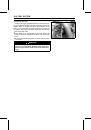
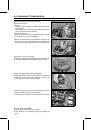
Remove any imbedded stones or other foreign particles
from the tread.
•
Visually inspect the tire for cracks and cuts, replacing the
tire in case of damage. Swelling or high spots indicate
internal damage, requiring tire replacement.
•
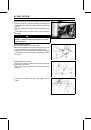
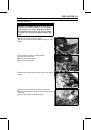
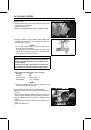
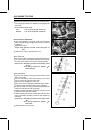
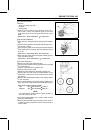
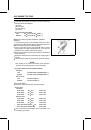
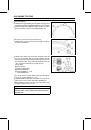
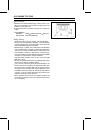
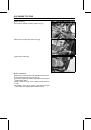
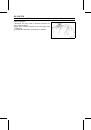
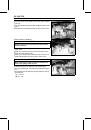
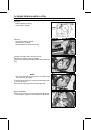
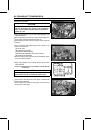
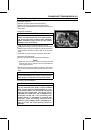
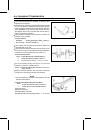
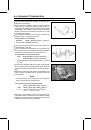
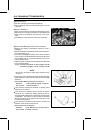
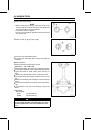
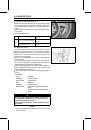
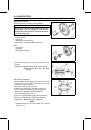
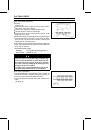
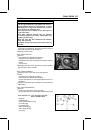
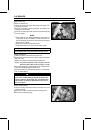
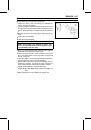
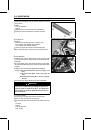
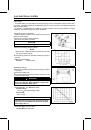
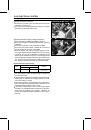
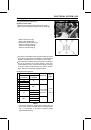
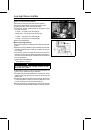
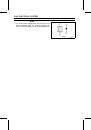
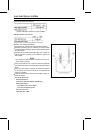
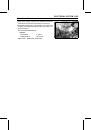
Measure the tread depth at the center of the tread with a
depth gauge [A]. Since the tire may wear unevenly, take
measurement at several places.
If any measurement is less than the service limit, replace
the tire.
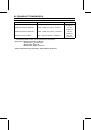
Tread Depth
Front:
DUNLOP
Standard:
4.5 mm (0.18 in.)
Service Limit:
1 mm (0.04 in.)
Rear:
DUNLOP
Standard:
7.4 mm (0.29 in.)
Service Limit:
2 mm (0.08 in.)(Up to 130 km/h (80
mph))
3 mm (0.12 in.)(Over 130 km/h (80
mph))
WARNING
To ensure safe handling and stability, use only the
recommended standard tires for replacement, in-
flated to the standard pressure.
Use the same manufacturer’s tires on both front and
rear wheels.
NOTE
○
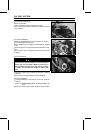
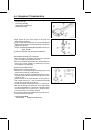
Check and balance the wheel when a tire is replaced
with a new one.
Оглавление инструкции
- tables
- LIST OF ABBREVIATIONS
- Basic Torque for General Fasteners
- Throttle Grip Free Play
- Choke Cable Free Play
- Idle Speed
- Fuel Level
- Float Height
- Valve Closing Temperature (for reference)
- Water and Coolant Mixture Ratio (when shipping)
- Radiator Cap Relief Pressure
- Thermostat Valve Opening Temperature
- Vacuum Switch Valve Closing Pressure (open → close)
- Camshaft Journal, Camshaft Cap Clearance
- Cylinder Compression (Usable Range)
- Cylinder Head Warp
- Valve Clearance Measuring Position
- Valve Clearance Measuring Position
- Valve Clearance (when cold)
- Valve Seating Surface Outside Diameter
- Valve Seating Surface Width
- Valve/Valve Guide Clearance (Wobble Method)
- Special Tools -
- Piston Ring/Groove Clearance
- Piston Ring End Gap
- Piston Diameter
- Piston Diameter
- Clutch Lever Free Play
- Friction Plate Thickness
- Friction and Steel Plate Warp
- Clutch Spring Free Length
- Engine Oil
- Oil Pressure
- Torque Value for 8 mm Bolts
- Connecting Rod Bend
- Connecting Rod Twist
- Connecting Rod Big End Side Clearance
- Connecting Rod Big End Bearing Insert/Crankpin Clearance
- Crankpin Diameter
- Crankpin Diameter Marks
- Connecting Rod Big End Bore Diameter Marks
- Connecting Rod Big End Bearing Insert Selection
- Crankshaft Runout
- Crankshaft Main Bearing Insert/Journal Clearance
- Crankshaft Main Journal Diameter
- Crankshaft Main Journal Diameter Marks
- Crankcase Main Bearing Bore Diameter Marks
- Crankshaft Main Bearing Insert Selection
- Crankshaft Side Clearance
- Balancer Shaft Bearing Insert/Journal Clearance
- Balancer Shaft Journal Diameter
- Balancer Shaft Diameter Marks
- Crankcase Bearing Bore Diameter Marks
- Balancer Shaft Bearing Insert Selection
- Rim Runout
- Axle Runout/100 mm (3.94 in.)
- Balance Weight
- Air Pressure (when cold)
- Tread Depth
- Chain Slack
- Drive Chain 20-link Length
- Link Pin Outside Diameter
- Link Plates Outside Width
- Rear Sprocket Warp
- Pad Lining Thickness
- Disc Thickness
- Disc Runout
- Recommended Disc Brake Fluid
- Pedal Position
- Brake Pedal Free Play
- Cam Lever Angle
- Shoe Lining Thickness
- Camshaft Diameter
- Camshaft Hole Diameter
- Drum Inside Diameter
- Front Fork Oil Level (Fully compressed without fork spring)
- Spring Free Length
- Spring Preload Adjustment
- Battery Terminal Voltage
- Terminal Voltage: 11.5 ∼ less than 12.8 V
- Terminal Voltage: less than 11.5 V
- Voltage
- Table 2 Stator Coil Resistance
- Regulator/Rectifier Output Voltage
- Rectifier Circuit Inspection
- Pickup Coil Resistance
- Ignition Coil Arcing Distance
- Ignition Coil Winding Resistance
- Ignition Timing
- Spark Plug Gap
- Connect
- Ignition Coil Primary Peak Voltage
- Connect
- Pickup Coil Peak Voltage
- Starter Chain 20-link Length
- Testing Relay
- Testing Relay
- Starter Motor Brush Length
- Commutator Diameter
- Testing Relay
- Testing Turn Signal Relay
- Wire Connectors
- Brake Light Timing
- Fan Switch Resistance
- Water Temperature Switch Connections
- Fuel Level Sensor Resistance
- Units of Mass:
- Units of Volume:
- Units of Force:
- Units of Length:
- Units of Torque:
- Units of Pressure:
- Units of Speed:
- Units of Power:
- toc
- Read OWNER'S MANUAL before operating.
- EMISSION CONTROL INFORMATION
- TAMPERING WITH NOISE CONTROL SYSTEM PROHIBITED
- Foreword
- General Information
- Fuel System
- Special Tools -
- Throttle Cable Inspection
- Free Play Inspection
- Idle Speed Inspection
- Carburetor Synchronization Inspection
- Carburetor Removal
- Carburetor Installation
- Service Fuel Level Inspection
- Service Fuel Level Adjustment
- Fuel System Cleanliness Inspection
- Carburetor Disassembly/Assembly
- Carburetor Separation/Assembly
- Carburetor Cleaning
- Carburetor Inspection
- Coolant Filter Cleaning
- Coolant Valve Inspection
- Element Removal
- Fuel Tank Removal
- Fuel Hose and Connection Inspection
- Cooling System
- Engine Top End
- Special Tools -
- Sealant -
- Vacuum Switch Valve Removal
- Cylinder Head Cover Removal
- Camshaft Chain Tensioner Removal
- Camshaft Removal
- Rocker Shaft, Rocker Arm Removal
- Cylinder Head Oil Pipe Removal
- Compression Measurement
- Valve Clearance Inspection
- Cylinder Removal
- Carburetor Holder Installation
- Muffler Removal
- Clutch
- Engine Lubrication System
- Engine Removal/Installation
- Crankshaft/Transmission
- Special Tools -
- Sealant -
- Crankcase Splitting
- Clutch Housing/Primary Chain Removal
- Crankshaft Removal
- Crankshaft Installation
- Connecting Rod Removal
- Connecting Rod Installation
- Crankshaft/Connecting Rod Cleaning
- Connecting Rod Bend/Twist
- Connecting Rod Big End Side Clearance
- Connecting Rod Big End Bearing Insert/Crankpin Clearance
- Crankshaft Runout
- Crankshaft Main Bearing Insert/Journal Clearance
- Crankshaft Side Clearance
- Balancer Removal
- External Shift Mechanism Removal
- External Shift Mechanism Installation
- External Shift Mechanism Inspection
- Transmission Shaft Removal
- Transmission Shaft Installation
- Transmission Shaft Disassembly
- Drive Shaft Assembly
- Output Shaft Assembly
- Shift Drum and Fork Removal
- Shift Drum and Fork Installation
- Shift Drum Disassembly
- Shift Drum Assembly
- Ball and Needle Bearing Wear
- Shift Pedal Installation
- Wheels/Tires
- Final Drive
- Special Tools -
- Drive Chain Slack Inspection
- Engine Sprocket Removal
- Brakes
- Suspension
- Steering
- Frame
- Electrical System
- 1.
- There are a number of important precautions that are musts when
- Wiring Inspection
- Battery Removal/Installation
- Alternator Rotor/Starter Clutch Removal
- Special Tool -
- Special Tool -
- Starter Clutch Sprocket Removal
- Starter Clutch Sprocket Installation
- Alternator Rotor/Starter Clutch Installation
- Alternator Stator Removal
- Alternator Stator Installation
- Alternator Inspection
- Regulator/Rectifier Removal
- Regulator/Rectifier Output Voltage Inspection
- Regulator/Rectifier Inspection
- Charging System Circuit
- Ignition System Circuit
- Electric Starter Circuit
- Starter Motor Removal
- Starter Motor Installation
- Starter Motor Disassembly
- Starter Motor Assembly
- Starter Chain Wear
- Starter Chain Guide Wear
- Starter Relay Inspection
- Starter Circuit Relay Inspection
- Brush Inspection
- Brush Spring Inspection
- Commutator Cleaning and Inspection
- Armature Inspection
- Brush Plate Inspection
- Headlight Circuit (Australia, ER500-C1 ∼, D1)
- Headlight Circuit (Other than Australia, ER500-C1 ∼ C2)
- Headlight Circuit (Other than Australia, ER500-C3 ∼)
- Headlight Circuit Relay Inspection (Australia)
- Headlight Beam Horizontal Adjustment
- Headlight Beam Vertical Adjustment
- Headlight Bulb Replacement
- Headlight Unit/Housing Removal
- Headlight Unit Installation
- Tail/Brake Light Bulb Replacement
- Tail/Brake Light Lens Removal/Installation
- Turn Signal Light Bulb Replacement
- Turn Signal Relay Inspection
- Turn Signal Light Circuit
- Fan System Circuit Inspection
- Meter Unit Removal
- Brake Light Switch Ispection
- 30 Ampere Fuse Removal
- Appendix
- NOTE
- Engine Doesn't Start, Starting Difficulty:
- Poor Running at Low Speed:
- Poor Running or No Power at High Speed:
- Overheating:
- Over Cooling:
- Clutch Operation Faulty:
- Gear Shifting Faulty:
- Abnormal Engine Noise:
- Abnormal Drive Train Noise:
- Abnormal Frame Noise:
- Oil Pressure Warning Light Goes On:
- Exhaust Smokes Excessively:
- Handling and/or Stability Unsatisfactory:
- Brake Doesn't Hold:
- Battery Trouble:
- Lubrication (Periodic Maintenance)
- Tightness Inspection
- Prefixes for Units:
- Units of Temperature:
- NOTE
- Read OWNER'S MANUAL before operating.