Инструкция для Zyxel MES3500-10
 1
 2
 3
 4
 5
 6
 7
 8
 9
 10
 11
 12
 13
 14
 15
 16
 17
 18
 19
 20
 21
 22
 23
 24
 25
 26
 27
 28
 29
 30
 31
 32
 33
 34
 35
 36
 37
 38
 39
 40
 41
 42
 43
 44
 45
 46
 47
 48
 49
 50
 51
 52
 53
 54
 55
 56
 57
 58
 59
 60
 61
 62
 63
 64
 65
 66
 67
 68
 69
 70
 71
 72
 73
 74
 75
 76
 77
 78
 79
 80
 81
 82
 83
 84
 85
 86
 87
 88
 89
 90
 91
 92
 93
 94
 95
 96
 97
 98
 99
 100
 101
 102
 103
 104
 105
 106
 107
 108
 109
 110
 111
 112
 113
 114
 115
 116
 117
 118
 119
 120
 121
 122
 123
 124
 125
 126
 127
 128
 129
 130
 131
 132
 133
 134
 135
 136
 137
 138
 139
 140
 141
 142
 143
 144
 145
 146
 147
 148
 149
 150
 151
 152
 153
 154
 155
 156
 157
 158
 159
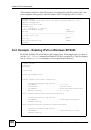 160
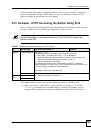 161
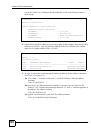 162
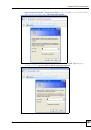 163
 164
 165
 166
 167
 168
 169
 170
 171
 172
 173
 174
 175
 176
 177
 178
 179
 180
 181
 182
 183
 184
 185
 186
 187
 188
 189
 190
 191
 192
 193
 194
 195
 196
 197
 198
 199
 200
 201
 202
 203
 204
 205
 206
 207
 208
 209
 210
 211
 212
 213
 214
 215
 216
 217
 218
 219
 220
 221
 222
 223
 224
 225
 226
 227
 228
 229
 230
 231
 232
 233
 234
 235
 236
 237
 238
 239
 240
 241
 242
 243
 244
 245
 246
 247
 248
 249
 250
 251
 252
 253
 254
 255
 256
 257
 258
 259
 260
 261
 262
 263
 264
 265
 266
 267
 268
 269
 270
 271
 272
 273
 274
 275
 276
 277
 278
 279
 280
 281
 282
 283
 284
 285
 286
 287
 288
 289
 290
 291
 292
 293
 294
 295
 296
 297
 298
 299
 300
 301
 302
 303
 304
 305
 306
 307
 308
 309
 310
 311
 312
 313
 314
 315
 316
 317
 318
 319
 320
 321
 322
 323
 324
 325
 326
 327
 328
 329
 330
 331
 332
 333
 334
 335
 336
 337
 338
 339
 340
 341
 342
 343
 344
 345
 346
 347
 348
 349
 350
 351
 352
 353
 354
 355
 356
 357
 358
 359
 360
 361
 362
 363
 364

Ethernet Switch CLI Reference Guide
225
C
H A P T E R
5 3
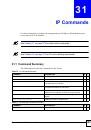
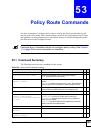
Policy Route Commands
Use these commands to configure policy route to override the default routing behavior and
alter the packet forwarding. Policy-based routing is based on the classification of traffic flows
and applied to incoming packets prior to the normal routing. A classifier distinguishes traffic
into flows based on the configured criteria.
Configure layer-3 classifiers before you configure policy routing. See
for more information on classifiers.
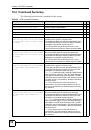
53.1 Command Summary
The following section lists the commands for this feature.
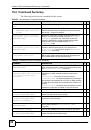
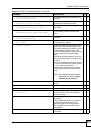
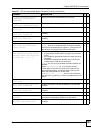
Table 124
policy-route Command Summary
COMMAND
DESCRIPTION
M
P
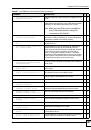
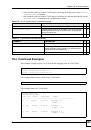
show ip policy-route
Displays all policy routing profile settings.
E
3
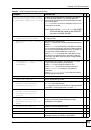
show ip policy-route <
name
>
Displays the specified policy routing profile settings.
name
: 32 alphanumeric characters
E
3
show ip policy-route <
name
>
sequence <
number
>
Displays settings for the specified policy routing rule in a
profile.
sequence
: sets the rule number from 1 to 64. The ordering of
policy routing rules is important as rules are applied in turn.
E
3
ip policy-route <
name
>
Sets a a policy routing profile with the specified name. You
must configure a profile before you can configure a rule.
C
13
ip policy-route <
name
> inactive
Disables a policy routing profile.
C
13
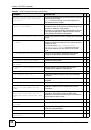
ip policy-route <
name
> sequence
<
number
> <permit|deny>
classifier <
classifier
> next-hop
<
ip-addr
>
Configures a policy routing rule in the specified profile.
permit|deny
: turns on or off this policy routing rule.
classifier
: sets the name of active layer 3 classifier to
which this rule applies.
next-hop
: sets the IP address of the gateway to which the
Switch forwards the matched traffic.
C
13
no ip policy-route <
name
>
Deletes the specified policy routing profile.
C
13
no ip policy-route <
name
>
inactive
Enables a policy routing profile.
C
13
no ip policy-route <
name
>
sequence <
number
>
Deletes a rule from the specified policy routing profile.
C
13
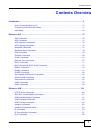
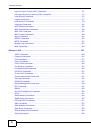
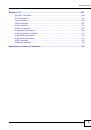
Оглавление инструкции
- Ethernet Switch
- Introduction
- Reference A-G
- AAA Commands
- ARP Commands
- ARP Inspection Commands
- ARP Learning Commands
- Bandwidth Commands
- Broadcast Storm Commands
- CFM Commands
- Classifier Commands
- Cluster Commands
- Date and Time Commands
- DHCP Commands
- DHCP Snooping & DHCP VLAN Commands
- DiffServ Commands
- Display Commands
- DVMRP Commands
- Error Disable and Recovery Commands
- Ethernet OAM Commands
- External Alarm Commands
- GARP Commands
- GVRP Commands
- Reference H-M
- HTTPS Server Commands
- IEEE 802.1x Authentication Commands
- IGMP and Multicasting Commands
- IGMP Snooping Commands
- IGMP Filtering Commands
- Interface Commands
- Interface Route-domain Mode
- IP Commands
- IP Source Binding Commands
- IPv6 Commands
- Layer 2 Protocol Tunnel (L2PT) Commands
- Link Layer Discovery Protocol (LLDP) Commands
- Load Sharing Commands
- Logging Commands
- Login Account Commands
- Loopguard Commands
- MAC Address Commands
- MAC Authentication Commands
- MAC Filter Commands
- MAC Forward Commands
- Mirror Commands
- MRSTP Commands
- MSTP Commands
- Multiple Login Commands
- MVR Commands
- Reference N-S
- OSPF Commands
- Password Commands
- PoE Commands
- Policy Commands
- Policy Route Commands
- Port Security Commands
- Port-based VLAN Commands
- PPPoE IA Commands
- Private VLAN Commands
- Protocol-based VLAN Commands
- Queuing Commands
- RADIUS Commands
- Remote Management Commands
- RIP Commands
- RMON
- Running Configuration Commands
- sFlow
- Smart Isolation Commands
- SNMP Server Commands
- STP and RSTP Commands
- SSH Commands
- Static Multicast Commands
- Static Route Commands
- Subnet-based VLAN Commands
- Syslog Commands
- Reference T-Z
- Appendices and Index of Commands